Pluto

Car Insurance

Buy Best Car Insurance Plan Online and Get 24x7 claim support

Car insurance is an agreement made between a car owner and an insurance company, providing the owner with protection against the risk of loss incurred due to accidents, theft or damage. In return for regular payments of a premium, the insurance company promises to pay for the expenses related to an accident, which include but are not limited to repairs of the car, conveyance costs or costs due to third-party liability claims. Policies vary in coverage, ranging from third-party liability to comprehensive plans. In India, at least third-party car insurance is mandatory and legally required for all car owners. Regardless of the policy type, car insurance offers peace of mind, as it reduces the financial burden of unforeseen circumstances on the road.

Buy Best Car Insurance

Get Instant Quotes Online

Harsh Saini

Written by Harsh Saini

Content Expert

Ayush

Written by Ayush

IRDAI-Certified Expert at Pluto

What is Car Insurance?

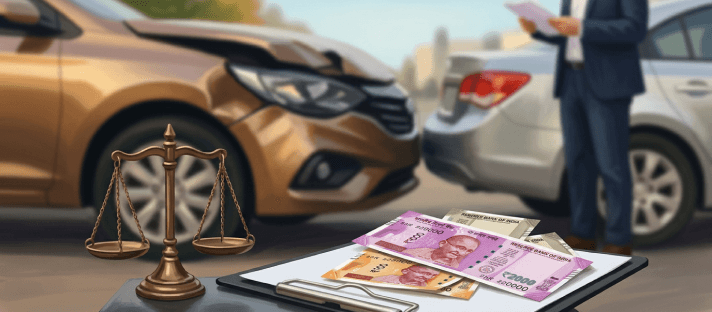
In simple terms, car insurance is a contract where the insurance company steps in to cover the expenses when accidents, damages or theft occur, in exchange for your regular premium payment. Imagine Karan, a working professional living in Mumbai, drives to work every day. One rainy morning, another car skids and crashes into his, damaging the bumper and headlight. Repairs cost him a sizeable amount of money that he had not planned to spend that month. This is where car insurance comes in. Since Karan had a valid and, most importantly, active car insurance policy, he simply informed his insurer, filed a claim and got the repair costs covered. Car insurance protects drivers like Karan from sudden financial strain, turning an unexpected loss into a manageable, well-covered situation.

Why is Car Insurance Mandatory In India?

Car insurance in India is a legal requirement under the Motor Vehicles Act. It ensures every owner carries at least third-party insurance coverage, protecting drivers and the public from the financial impact of road accidents. These are some of the reasons behind car insurance being mandatory in India:
01

Allows Lawful Operation

Driving without valid insurance can attract a fine of ₹2,000, imprisonment of up to 3 months or both. Having valid car insurance allows you to drive across India while avoiding these legal penalties.

02

Protects Third Parties

Road accidents can happen anytime, and they can cause injury, death or even property damage. With valid third-party car insurance, victims receive fair compensation without placing the entire financial burden on the car owner responsible for the accident.
03

Promotes Responsible Ownership

Mandatory insurance helps ensure that all drivers have a financial stake in their own safety. It reduces arguments, expedites claims after accidents and fosters a more responsible and conscientious driver’s attitude.

Types of Car Insurance In India

Car insurance in India is not a one-size-fits-all option. The different types of insurance policies suit different requirements and budgets. Take a look at the following section to find out the ideal type of car insurance for you:

Third-Party Insurance

The simplest and obligatory insurance in India. It covers any damage caused to the third party by accident or injury, but does not insure the insured’s own car. As the lowest-cost insurance, it is the most reasonable one.

Own Damage Insurance

This insures the cost involved in repairing or replacing your car in case of an accident, fire, theft or any other natural disaster. Third-party liability is not covered under this insurance.

Comprehensive Insurance

It combines third-party liability and own damage in one policy, offering the widest protection. The policy covers losses caused to your car by natural or man-made events, along with bodily injury, death or property damage caused to a third person by your car.

Pay As You Drive Insurance

It is a usage-based policy where premiums depend on the actual distance driven, rather than a fixed annual amount. This type of car insurance is ideal for those who drive infrequently, letting them pay lower premiums that match their real vehicle usage.

Zero Depreciation Insurance

During a claim, an insurer usually deducts a percentage of the part’s value based on the car’s age. A zero depreciation policy helps you receive the full insured value of covered damaged parts without this depreciation deduction. This lets you enjoy increased claim payout and reduced repair expenses.

How is Car Insurance for Electric Cars Different?

Electric Vehicles (EVs) are not built like other conventional vehicles. EVs rely heavily on lithium-ion battery packs, costing significantly more than petrol/diesel cars. If you are wondering why car insurance for electric cars is different, here is the explanation:
  • Battery Value: The lithium-ion battery is considered to be the most expensive part of the car and it can represent up to 40% of the total vehicle cost.
  • Specialised Parts: Mechanics need to be highly skilled and should have knowledge of fixing high-voltage systems safely.
  • Higher Own-Damage Coverage: Due to the pricey repairs, higher purchase cost and expensive components, EVs generally have higher own-damage coverage.
  • Repair Network: Not all garages will know the electric car repair process. These require specialised equipment and trained technicians. Thus, coverage is different.

Common Exclusions of Car Insurance

ertain situations are excluded from car insurance coverage based on the terms and conditions of the policy. Here are some common exclusions to keep in mind:
If the driver does not hold a valid driving licence or is driving under the influence of alcohol or drugs, the resulting damages are generally not covered.

What Does Car Insurance Cover?

Car insurance can protect you from several financial losses. However, the extent of coverage depends on the type of policy and its inclusions. Let us look at the key situations covered under car insurance:

Accidental Damage

If your car is damaged due to a sudden, unexpected collision on the road, a comprehensive plan covers repairs or part replacement costs regardless of fault, excluding normal wear and tear.

Natural Disasters

Unavoidable calamities such as storms, cyclones, earthquakes, riots, vandalism, or landslides that might harm your car will be covered by a car insurance policy.

Man-Made Acts

Car insurance also covers damage caused by certain man-made events beyond your control. This can include losses arising from riots, strikes, vandalism and malicious acts.

Third-Party Liability

It covers damages to third parties caused by your car up to the sum insured limit. If you accidentally hit another driver’s car and cause ₹40,000 in damage, your car insurance pays that ₹40,000 to fix their car instead of you paying out of your own pocket.

Theft

If your car is stolen and cannot be recovered, your insurance company will compensate you for that based on your car’s Insured Declared Value once a formal police report is filed.

Fire

In case your car gets damaged due to fire, the policy can cover the resulting repair or replacement costs. This includes damage caused by self-ignition, explosions, lightning and similar incidents.

In-Transit Damages

In-transit damage protects your vehicle if it gets harmed while being transported from one place to another via road, rail or air. This protection is ideally built into standard comprehensive coverage under the own-damage-section.

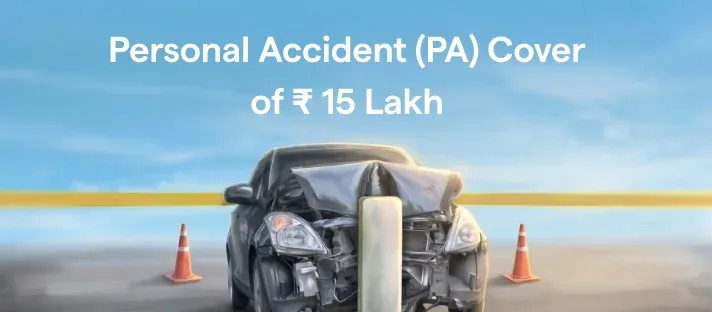
Personal Accident Cover

Personal accident cover pays for death or physical disability from a car accident. The insurance company pays out a cash amount depending on how bad the injury is, instead of just paying the medical bills.

Select the Right Car Insurance Coverage Online

Choosing the right car insurance coverage requires more than simply selecting a policy with the lowest premium. Here are a few steps that tell you how to select the right motor insurance coverage online:

First, check your requirements and based on that, decide what type of insurance you want.

When you decide to buy car insurance online, compare the best plans in India via our website.

If it is your first car, avoid purchasing every add-on offered by insurance companies. Instead, choose only the covers that are mostly required, such as zero-depreciation cover, 24x7 roadside assistance, engine protection and others.

Check the claim settlement ratio, offered discounts and cashless network garages of the insurance company.

Ensure you are choosing a realistic Insured Declared Value (IDV). A lower IDV may lower your premium; however, it might reduce payout during total loss of your car.

Why Buy a Comprehensive Car Insurance Policy?

You should buy a comprehensive car insurance policy as it covers both third-party liability and damage to your own car that may arise from natural and man-made calamities, fire, theft and more. Apart from this, here are some other reasons why you should buy it:
This policy ensures peace of mind and helps you avoid financial stress resulting from any type of unfortunate events on the road. Whether you accidentally damage another vehicle or your own car gets damaged, comprehensive car insurance covers it all.

What is the Difference Between Third-Party and Comprehensive Car Insurance?

The core difference between third-party and comprehensive car insurance plans is the coverage offered by both plans. It may sound very simple, but there are a few intricacies that you should keep in mind:
Parameters Third-Party Car Insurance Comprehensive Car Insurance
Coverage Provides coverage for the damages caused to the third party Provides coverage for both third-party and own car damage
Legally Required Mandated by the Motor Vehicles Act, 1988 Not mandated
Benefits Offered Financial assistance for mistakenly hurting a third party on the road Own damage, theft protection, protection from natural disasters and man-made acts
Premium Cost Cheaper premiums as predetermined by IRDAI Higher premiums, as it provides broader coverage and depends on the make and model of the car
Customisation Option No scope for customisation Available, as per your choice

What are Car Insurance Add-On Covers?

A comprehensive car insurance policy provides broad protection, but its standard coverage may not address every situation you could face. Add-on covers allow you to extend your policy based on your car, driving habits and specific protection needs. Since each add-on comes with its own coverage, limits and conditions, it is important to choose only those that are relevant to you. Here are some commonly available car insurance add-on covers:
You can avoid paying age-based wear and tear during a claim with this add-on. It means that your insurance company will pay the full cost of the parts without subtracting depreciation. Without this add-on, you might have to pay a percentage of the replacement/repair cost, based on what material the part is made of.

How to Buy/Renew Car Insurance Online?

Buying or renewing vehicle insurance online is now easier than ever with Pluto Insurance. Here, you can review available options and choose coverage based on the model of your car and your requirements. Follow these steps to buy car insurance online:
  • 1. Navigate to the ‘Buy/Renew Car Insurance’ section.
  • Enter all the details such as your car registration number, contact number and PIN Code.
  • Now review and compare car insurance quotes based on price, IDV and policy type.
  • Select a policy that fits your needs and customise your plan by adjusting the IDV and adding useful add-ons.
  • Secure the premium amount via cards, UPI or net banking.
  • Once the payment is successful, your car insurance policy will be mailed to you.

Documents are Required to Buy/Renew a Car Insurance Policy

Having the right documents ready can make buying or renewing car insurance via Pluto an easier process. Take a look at the list of documents you may need: Note that the exact documents required may vary depending on the insurer and policy type

Required Documents to Buy Car Insurance Policy

  • Aadhaar card

  • PAN card

  • Driving license

  • Passport (if you have one)

  • Vehicle registration certificate

  • Car invoice

Required Documents to Renew Car Insurance Policy

  • Identity proof (Aadhaar card) and address proof (passport)

  • A copy of the car's registration certificate

  • Your previous year’s car insurance policy

  • Passport-sized photographs (required in offline process)

  • A copy of your valid driving license

  • Valid PUC or Pollution Under Control certificate

Factors Affecting Car Insurance Premium

The cost of car insurance varies from one policyholder to another based on several factors. Even if two people own the same car, they may pay different premiums. If you are wondering why, check the following factors:
Factor How It Affects Your Premium
Car Model Luxury cars usually cost more to insure than hatchbacks or entry-level sedans, largely due to their higher IDV.
Driving Record A history of accidents or traffic violations marks you as a higher-risk driver, which can push up your premium.
Vehicle Registration Area Vehicles registered in cities typically attract higher premiums due to greater accident risk from heavy traffic congestion.
Coverage Type Comprehensive policies come with higher premiums than third-party policies since they offer broader protection.
Add-on Covers Each add-on extends your policy beyond standard protection, so the premium rises as you add more covers.
Manufacturing Year Older cars may have limited availability of spare parts and specialised components, sometimes making repairs costlier.

Types of Car Insurance Claim Settlement Processes

Claims can be settled through two different methods, depending on where you get your car repaired. Knowing how each works is important if you want to avoid confusion during a claim:

Cashless Claim Settlement

  • This claim settlement is offered when your insured car is repaired in a network garage. For example, if your car is damaged in an accident and you take it to an authorised garage in your insurer’s network, the insurer settles the eligible repair costs directly with the garage. You may only need to pay applicable deductibles or non-covered expenses.

Reimbursement Claim Settlement

  • A car insurance reimbursement claim happens when you fix your vehicle at a non-network garage by paying out of your own pocket initially. Once you pay the repair costs and submit the bills, the insurance company reviews your paperwork and reimburses you the agreed amount.

What is IDV in Car Insurance?

IDV, or Insured Declared Value, in car insurance refers to the maximum amount that the insurance company agrees to pay you in case of total loss or theft of your insured car. An insurance company calculates the IDV value by subtracting your insured car’s depreciation from the manufacturer's listed price and it is mainly based on the age and condition of your car. For example, if your car’s ex-showroom price is ₹10 lakh and the applicable depreciation after one year is 20%, its value would be reduced by ₹2 lakh. Therefore, the IDV would be ₹8 lakh, which is the maximum amount payable by the insurer in case of theft or total loss. The IDV of your car is determined after applying the applicable depreciation rates based on the schedule below:
Age of the Car Depreciation
6 months and below 5%
6 months to 1 year 15%
1 year to 2 years 20%
2 years to 3 years 30%
3 years to 4 years 40%
4 years to 5 years 50%

How Does IDV Affect Car Insurance Premiums?

The IDV of a car insurance policy has a direct and proportional relationship with the own damage portion of your car insurance premium. Here is how it works:
  • Higher IDV: It means a higher insurance premium because your insurance company faces a higher financial risk due to the significant potential claim amount.
  • Lower IDV: It means your policy premium will be lower and so will the claim payout.

New Car Example

  • ✓

    Ex-Showroom Car Price: ₹10,00,000

  • ✓

    Depreciation Within the First Few Months: 5% (₹50,000)

  • ✓

    Higher IDV: ₹9,50,000

Old Car After 3 Years

  • ✓

    Ex-Showroom Car Price: ₹10,00,000

  • ✓

    Depreciation (3 Years): 30% (₹3,00,000)

  • ✓

    Lower IDV: ₹7,00,000

How to File a Car Insurance Claim?

A car insurance claim involves more than simply informing the insurer about the damage. Here’s what you need to do:
1. File a police FIR at the nearest police station if the accident resulted from theft or major damage.
2. Ensure you click clear photos and videos of the incident spot. You need to provide that evidence to the insurance company.
3. An inspector sent by your insurance company will examine the car damage.
4. Once the vehicle verification is done, you need to submit all the necessary documents to the insurer.
5. Upon successful verification and claim approval, you can now repair your car at a network garage.

Documents Required For Claim Settlement

For a quick and hassle-free claim settlement process, you need to have the listed documents:
1. A claim form that is correctly filled and signed.
2. A car insurance policy copy.
3. Car registration certificate and driving license copy
4. Police FIR (in case of theft and third-party claims)
5. Payment receipts and original repair bills

Common Reasons for Car Insurance Claim Rejection

Note that your claim will get rejected if the incident falls outside the coverage terms of the policy. Understanding these incidents beforehand can help you avoid mistakes that may lead to claim rejection.
Getting your car damaged while driving under the influence is one of the major reasons for claim rejection. Additionally, it is a punishable crime in India.

Car Insurance Terminology You Should Know

Knowing about these car insurance terminologies will ensure that you are well informed about your policy, avoid any hidden costs and make smart claims:
A regular payment to an insurance company to keep your car insurance active.
Beta