



While the third-party liability only covers damages to others, having comprehensive coverage will ensure you get adequate protection from a wide range of covered risks, such as accidents and fire.
Jump to a section
What Is Comprehensive Coverage in Car Insurance?
Comprehensive car insurance offers all-round protection for your vehicle against unexpected mishaps on and off the road. It covers third-party liabilities as well as damage to your own car caused by accidents, theft, fire, natural disasters and man-made events.
Depending on the insurer, you can also enhance your car insurance policy with add-on covers such as zero depreciation. With this wide range of benefits, comprehensive car insurance becomes an ideal option for safeguarding your vehicle and managing unforeseen repair expenses.
Key Features of Comprehensive Car Insurance
As the name suggests, comprehensive car insurance offers the highest level of protection for your vehicle. It combines the coverage of a mandatory third-party policy with the extensive protections of an OD policy. Have a look at these features in detail.
Third-party liability coverage is mandatory in India under the Motor Vehicles Act 1988. Therefore, if you buy the comprehensive policy with its TP cover, you can drive legally on Indian roads with minimal financial risks.
Natural and man-made disasters, such as floods, earthquakes, riots and vandalism, can cause unexpected damage to your car. However, comprehensive car insurance covers eligible losses arising from such events, helping minimise repair costs and reduce your financial burden.
In case of theft or irretrievable damage to the car, policyholders will face huge financial risk. However, if they are covered with the comprehensive plan, they receive compensation up to the Insured Declared Value (IDV), which will help them recover financially.
Most comprehensive car insurance plans in India come with a cashless garage facility. It means you can get your car repaired without any upfront payments, as the insurer will directly settle eligible repair bills with the garage.
For every claim-free year, you will be eligible to get the no-claim bonus discount on your own damage premium. This discount can generally range from 20%-50% based on your policy terms.
From zero depreciation to return on invoice, you can select a wide range of add-ons with comprehensive car insurance. However, the type of add-ons and their eligibility requirements can vary across providers.
With the personal accident benefit in this policy, the driver or owner of the car will get compensation in case of injury, disability, or death resulting from an accident. Having at least ₹15 lakh PA cover is mandatory in India.
Who Should Buy a Comprehensive Car Insurance Policy?
Comprehensive car insurance can be an ideal choice for anyone seeking broader protection beyond mandatory third-party coverage. For the following individuals, this coverage is also highly recommended
Owners of Brand-New Cars
Once you buy a new model, it often involves higher purchase and repair costs. This is where comprehensive insurance helps protect your investment against accidental damage, theft, fire and other covered risks.Luxury and Premium Cars Owners
Luxury vehicles, such as BMW, Mercedes-Benz and Rolls-Royce, often have expensive replacement parts and specialised repair requirements. With comprehensive coverage, you can easily manage eligible repair expenses and reduce financial losses.Frequent Highway Travellers
Drivers who frequently travel long distances have an increasing exposure to road accidents, collisions and unexpected breakdowns. If they have comprehensive insurance, particularly with roadside assistance add-ons, they can get additional support.Residents of Disaster-Prone Areas
People living in regions vulnerable to floods, such as Assam, or states like Himachal Pradesh, where there is a higher risk of landslides, must get broader vehicle protection. With comprehensive insurance, they can get coverage for eligible damage caused by these natural calamities.Car Owners in Accident-Prone Areas
If you frequently drive through congested roads, accident-prone areas or busy urban streets, comprehensive coverage can help manage repair expenses arising from covered accidental damage.Young Drivers
Young drivers may still be developing their road awareness and driving confidence. As a result, they often have a higher risk of collision or accidents, which makes comprehensive insurance the right choice to avoid high repair costs as well as any third-party liability.
Benefits of Comprehensive Car Insurance Coverage
Since your car is a long-term investment, protecting its value is extremely important. This is where comprehensive car insurance brings several advantages to make your ownership experience more rewarding. Let's discover what sets this coverage apart
Comprehensive Financial Security
From a minor collision to a major road accident, comprehensive car insurance covers eligible repair expenses for damage to your vehicle. This way, you can reduce unexpected financial pressure.
Wider Protection Under One Policy
Instead of purchasing separate own-damage and third-party policies, you can combine both protections through a comprehensive plan. This makes it easier to manage different vehicle-related insurance requirements.
Covers Damage Beyond Repair
If your car suffers extensive damage and the repair costs exceed 75% of its IDV, it may be declared a total loss. In such cases, comprehensive car insurance compensates you based on the applicable IDV, subject to policy terms and conditions.
Maintain Legal Compliance
Since third-party insurance is legally mandatory in India, not having this coverage will result in fines of ₹2,000-₹4,000 and even 3 months of imprisonment. With comprehensive coverage, you can ensure legal compliance in the event of an accident.
High Scope of Flexibility
Offering a wide range of add-ons, like roadside assistance or an engine protector, you can easily customise your insurance based on your driving needs. For example, if you are a frequent highway traveller, roadside assistance can be useful to get emergency breakdown support.
Easy Policy Management
With the digital platform of Pluto Insurance, you can easily purchase and manage your comprehensive car insurance. Whether you want to download a policy document or file a claim, everything will be at your fingertips.
What is Covered Under Comprehensive Car Insurance?
A comprehensive car insurance plan brings together several layers of financial security, each addressing a different aspect of car ownership. For instance, it covers both own-damage expenses and legal liabilities arising from unforeseen incidents. Here's what else you can expect from its coverage
Road Accidents and Collisions
Whether the car collides with another vehicle, overturns or hits a stationary object, the policy covers eligible repair and replacement expenses arising from accidental damage, irrespective of who was at fault, subject to policy conditions.
Damage Caused by Natural Calamities
From waterlogged coastal roads to landslide-prone mountain stretches, natural calamities can put your vehicle at risk. However, the comprehensive car insurance covers eligible losses caused by floods, earthquakes, cyclones and similar disasters.
Losses from Civil Disturbances
Riots, strikes, vandalism and other malicious activities can leave your car damaged. This is when a comprehensive policy covers insured vehicle damage resulting from such incidents, based on policy conditions.
Third-Party Injuries and Property Damage
If your car accidentally injures another person or damages someone else's property, the policy covers your legal liability towards the affected third party. In most cases, the compensation is determined according to applicable legal provisions and policy terms.
Vehicle Theft
With a vehicle reportedly stolen every 2.3 minutes in India, theft protection comes as an essential feature of this policy. If your car remains unrecovered after theft, comprehensive insurance compensates you based on its applicable IDV.
Fire and Explosion-Related Damage
A sudden fire, self-ignition, explosion or lightning strike can severely damage your vehicle. However, comprehensive insurance covers eligible losses resulting from these incidents, including the associated repair or replacement expenses.
Damage During Transit
In case your car faces any damage while moving between cities or being transported by rail or road, comprehensive car insurance can offer coverage for its accidental damage. However, the coverage can depend on the policy wording and applicable transit provisions.
Personal Accident Protection
The applicable personal accident cover provides financial compensation for specified accidental death or permanent disability of the insured owner-driver. The payout depends on the nature of the injury and the terms of the personal accident policy.
What is Excluded in Comprehensive Car Insurance?
Although comprehensive car insurance offers extensive financial protection, it does not cover every vehicle-related expense or incident. Its exclusions mainly apply to routine maintenance, avoidable risks and certain events beyond the policy's scope.
Understanding these exclusions can help you avoid unexpected claim rejections.
Expenses arising from routine ageing, tyre deterioration, brake wear or gradual damage to vehicle components are generally not covered.
If you face sudden engine failure, electrical faults or mechanical problems unrelated to an insured accident, they are typically excluded unless covered through a specific add-on.
Damages or losses that occur outside the geographical area specified in the policy may not be covered.
If an accident occurs while the driver does not hold a valid driving licence, the insurer may reject the claim.
Damage caused while driving under the influence of alcohol or drugs is strictly excluded from coverage.
Losses arising from war, invasion, nuclear incidents or radioactive contamination are generally not part of a standard comprehensive car insurance policy.
Add-ons to Include in Your Comprehensive Car Insurance
By paying an additional premium, you can customise your policy with valuable add-ons to suit your vehicle's needs. These covers help manage specific repair expenses and unexpected situations that may otherwise increase your out-of-pocket costs.
Here are some useful add-ons to consider:
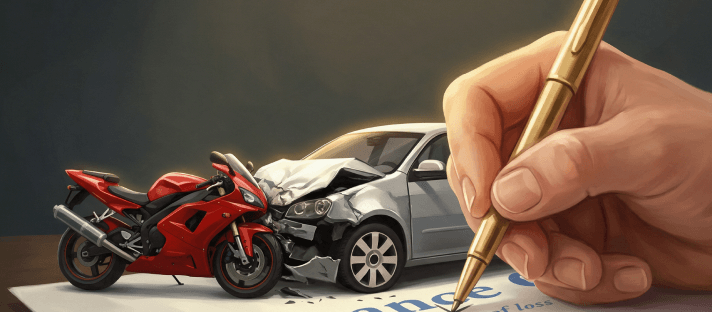
Zero Depreciation Cover
This add-on reduces depreciation deductions on eligible replaced vehicle parts during claim settlement. This way, you can maximise your repair reimbursements, making it particularly useful for owners of new and premium cars.
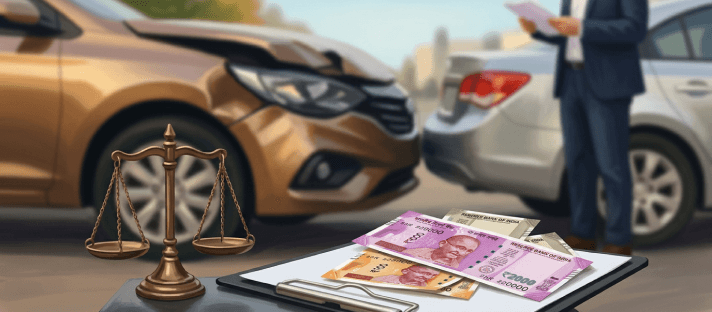
Engine Protection Cover
Engine repair costs in India range from ₹25,000 to ₹1,50,000 or more. Especially after water ingress or oil leakage, these costs become higher. This is why you must get this add-on to cover specified engine and gearbox damage, based on your policy terms.

Roadside Assistance Cover
Designed for unexpected roadside emergencies, this add-on provides services such as towing, battery jump-starts, flat tyre assistance and emergency fuel delivery, depending on the insurer.

Return to Invoice Cover
This add-on bridges the difference between your car's Insured Declared Value and its original invoice value in case of total loss. For instance, if you bought a car for ₹10,00,000, but after 30% age-related depreciation, your car's IDV drops to ₹7,00,000. This is when this cover pays the difference of ₹3,00,000 over the IDV.
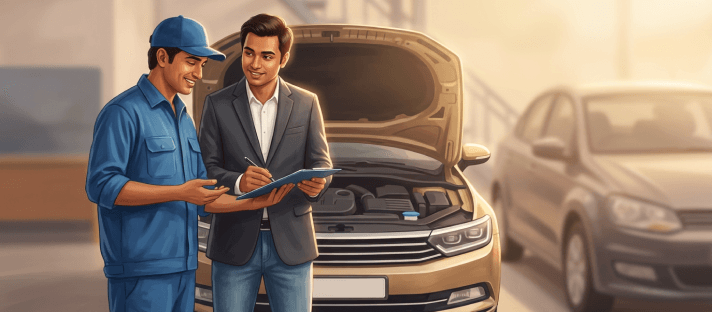
Consumables Cover
Expenses for smaller components can increase your repair bills. This add-on covers eligible consumables, including nuts, bolts, engine oil and lubricants, that are generally excluded from standard policies.
Key Replacement Cover
Modern car keys often involve sophisticated technology and expensive replacement costs. This is where this add-on helps cover eligible expenses for repairing or replacing lost, stolen or damaged keys, subject to policy limits.
What Factors Should You Consider While Choosing Comprehensive Car Insurance?
Wondering how to find the right comprehensive car insurance policy? Then look beyond attractive premiums. From understanding your car's valuation to checking claim support, here are a few important factors you must consider
1
Choose an Appropriate IDV
Your car's IDV determines the compensation payable in case of theft or total loss. If you own a luxury vehicle, ensure its IDV reflects its market value to avoid inadequate compensation.
2
Assess the Insurer's Claim Support
While choosing comprehensive car insurance, review the insurer's claim settlement ratio and customer feedback to get hassle-free support during emergencies. In most cases, a CSR above 90 is generally decent.
3
understand Deductibles
Before purchasing comprehensive car insurance, check the compulsory and voluntary deductibles to avoid any surprise expenses during claims. For instance, choosing a higher voluntary deductible may reduce your premium but increase your share of repair expenses during claims.
4
Compare Coverage Against Premiums
Two comprehensive car insurance plans may have different premiums despite offering similar coverage. This is why you should compare inclusions, deductibles and additional benefits to identify which policy delivers better value.
5
Check the Cashless Garage Network
A wider network of authorised garages can make vehicle repairs more convenient. Therefore, while choosing an insurer, you must make sure they have a proper number of nearby network garages to reduce out-of-pocket expenses.
Steps to Buy a Comprehensive Car Insurance Plan on Pluto
You can easily buy comprehensive car insurance with Pluto Insurance by following these simple steps
Step 1
Navigate to the platform, log in or sign up for your account using your name, mobile number and email ID.step 2
Enter your vehicle and personal details. For instance, provide your car’s registration number, contact number, and PIN code.Step 3
Review and compare available car insurance quotes based on price, Insured Declared Value (IDV), and select comprehensive coverage as the policy type.Step 4
Adjust the IDV and add any useful optional add-ons to suit your requirements.Step 5
Complete the transaction using cards, UPI, or net banking. Once the payment is verified and successful, your policy document will be emailed to you.
Comprehensive vs Third Party Car Insurance
| Factors | Comprehensive Car Insurance | Third-party Car Insurance |
|---|---|---|
| Coverage Scope | Third-party liabilities + own car damages | Only third-party liabilities |
| Legal Requirement | Not mandatory | Mandatory |
| Premium Cost | Higher for offering all-around protection | Lower and fixed by IRDAI guidelines |
| No Claim Bonus | Applicable | Not applicable |
| Add-Ons Availability | Available | Not available |
Comprehensive vs Own Damage Car Insurance
| Factors | Comprehensive Car Insurance | Own Damage Car Insurance |
|---|---|---|
| Core Coverage | Combines own-vehicle damage cover with legal protection against third-party claims | Covers damage or loss to your own car |
| Third-Party Liability | Included | Not included |
| Legal Requirement | Meets due to the third-party liability cover | Does not meet, so must be purchased with third-party liability cover |
| Premium Cost | Higher, due to wider coverage | Lower, because of limited protection |
How to Make a Claim in Comprehensive Car Insurance?
Depending on your insurer and the type of repair facility you choose, you can raise a comprehensive car insurance claim through either a cashless or reimbursement process. Here is how both options work:
Cashless Car Insurance Claims
- Notify your insurer, typically within 24 to 48 hours, via Pluto Insurance to file a claim.
- Receive the registration number to track your claim.
- Take the damaged vehicle to an authorised cashless network garage.
- Provide the policy copy, driving licence, RC and other required documents.
- After the surveyor's inspection, the insurer will settle approved repair bills directly with the garage.
Reimbursement Car Insurance Claims
- Inform your insurer about the incident via our platform within their predetermined timeline.
- File a First Information Report (FIR) at the nearest police station in case of an accident or theft.
- Choose a garage to repair your damaged car.
- After the repair is done, provide invoices, payment receipts and other necessary documents.
- Once the insurer verifies your claim, they will transfer the admissible claim amount to your registered bank account.
Documents Required to Claim Comprehensive Car Insurance
Although document requirements may vary depending on the insurer and the nature of the claim, you generally need the following documents for a comprehensive car policy claim.
Frequently Asked Questions
How can I reduce my comprehensive car insurance premium?


To reduce your comprehensive car insurance premium, you can compare insurer quotes, maintain a claim-free record, use your accumulated NCB, consider voluntary deductibles and avoid unnecessary add-ons.
Is comprehensive car insurance the same as bumper-to-bumper insurance?
No, comprehensive car insurance covers own damage and third-party liabilities, while bumper-to-bumper insurance is another name for the zero-depreciation add-on that reduces depreciation deductions during eligible claim settlements.
Can I switch my comprehensive car insurer in the middle of a policy year?
Yes, you can request cancellation and switch insurers mid-year based on your policy conditions. However, most insurers will charge a cancellation or short-rate fee if you end your policy early.
What to do if my comprehensive car insurance expires?
If your comprehensive car insurance expires, try to renew it within the grace period, typically ranging from 15-30 days. However, if you miss the grace period too, avoid driving until coverage is restored and complete any required vehicle inspection as required by your insurer.
Is it possible to transfer my NCB if I change my comprehensive car insurer?
Yes, NCB belongs to the policyholder and can be transferred when switching insurers. However, you must renew or port your policy generally within 90 days of its expiration date to avoid losingyour accumulated NCB.